Celtic settlement of the Catuvellauni tribe; major Roman city of Verulamium; Anglo-Saxon territory of Verlamchester – the modern Cathedral city of St Albans has an extraordinarily long history and there are still visible traces of most periods of its past.
It is most known for its Cathedral and its Roman ruins, but just outside the centre, close to Abbey Station, in a beautiful nature reserve, stand the attractive ruins known as Sopwell Nunnery.

The Nunnery was built in around 1140 in by the Benedictine abbot of St Albans Abbey, Geoffrey de Gorham. It was founded as the Priory of St Mary of Sopwell and was actually a cell of St Albans Abbey. Probably the best known prioress here was Juliana Berners, known as a keen angler and author of the Boke of St Albans published in 1486.
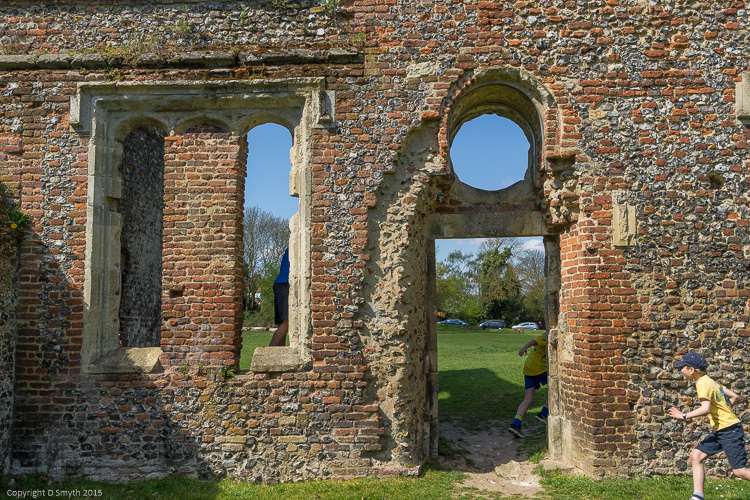
The sight of these graceful ruins brightens my drive to the railway station each morning. But you are probably thinking, that beautiful as they are, they don’t look that old. And you would be right.
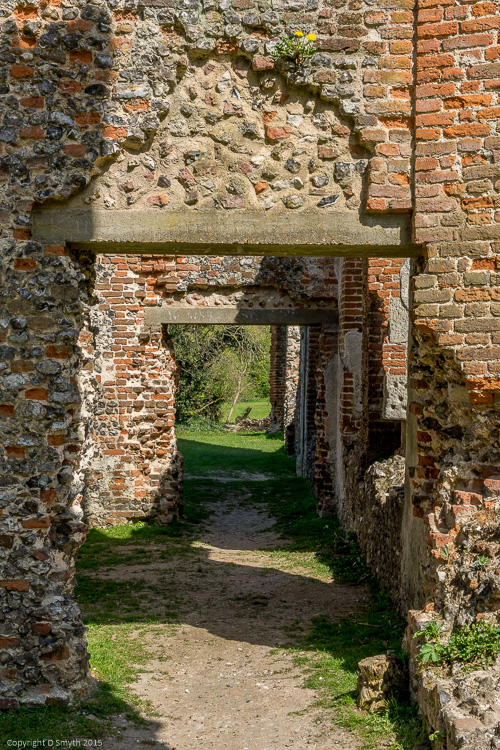
Following the dissolution of St Albans Abbey in 1539, the Nunnery was bought by Sir Richard Lee, an adviser to King Henry VIII, for the price of £13 and 6 shillings. He proceeded to demolish the original building and replaced it with a house, known as Lee Hall. The main house stood until the eighteenth century and the gatehouse was still here until the 1950s, serving as a car repair workshop in its later years.
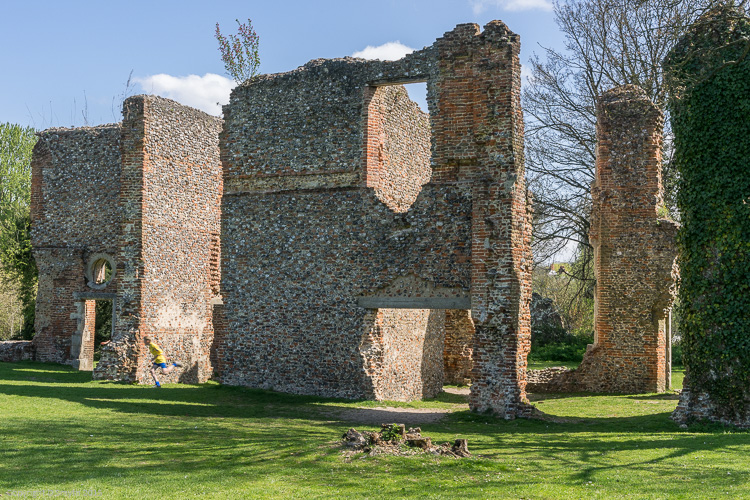
The ruins that you see now are remnants of the gatehouse, one wing of an H-shaped structure, the adjoining cross-wing and a kitchen at the back.
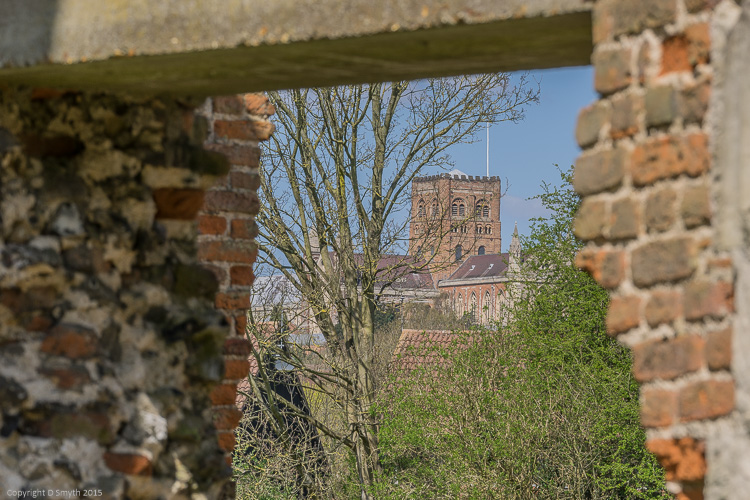
Theses lovely ruins also offer a view to St Albans Cathedral.


 Travel with Intent
Love ruins!
LikeLike
Great photos and info.
LikeLike
This is great, Debbie :). I wish I was there for a visit. Thank you for linking. I hope you had a lovely time in Istanbul.
LikeLike
Istanbul was incredible! I loved it
On Wed, Apr 29, 2015 at 7:41 PM, Travel with Intent wrote:
>
LikeLiked by 1 person
🙂 Thank you, Debbie. I will consider a trip there then 🙂 I want to go to Cappadocia.
LikeLike